Process
What business materials should not be uploaded to AI tools
The files teams paste into AI tools without thinking, what is actually inside them, and the three questions that settle most cases before you hit upload.


Someone on the team has a pre-round deck, a meeting on Monday, and forty minutes. So the deck goes into a chat window with the words “make this look better”. Nobody in that moment is thinking about what else is in the file.
That is the whole problem in one sentence. A pitch deck is not a neutral document. Neither is a strategy presentation, a financial report, or the dashboard someone wants redesigned. The design brief is the surface. The business substance sits underneath it, and it travels with the file.
The files worth stopping for
None of these are exotic. They sit in every company's shared drive and they regularly need design work — which is exactly why the reflex to upload them is worth interrupting.
- Investor and pre-round decks carrying projections and valuation context.
- Sales presentations with live pricing, competitive positioning and named accounts.
- Strategy documents covering M&A, market moves or the product roadmap.
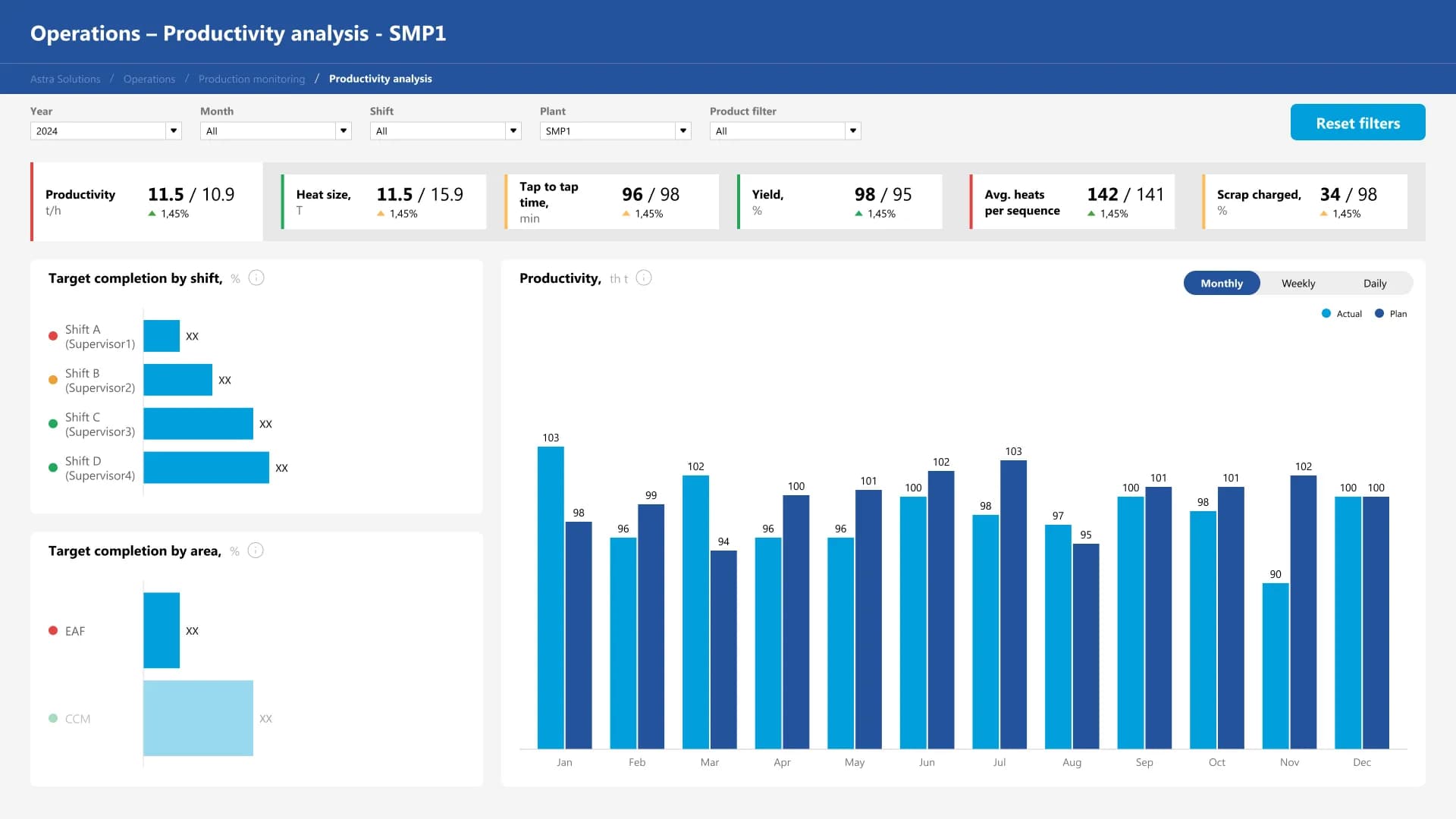
- Financial reports and dashboards with real revenue, margin and headcount.
- Report templates where customer data is baked into the layout itself.
- Anything under NDA with a board, a partner or an investor.
- Brand and product assets prepared before a public announcement.
What upload actually means
Enterprise tiers have improved: processing agreements, training opt-outs, documented retention. The catch is that most design work does not happen on an enterprise agreement. It happens on a personal plan, inside a small team, with a freelancer, across an agency — on terms written for general use rather than for a pre-Series A deck. The file gets processed, the output comes back, and nobody asks what happened to the contents in between. Treat these tools as active processors of what you send, not as a drawer you put things in.
What to do instead, in order of how much it buys you
The useful framing is not “avoid AI”. It is knowing which content belongs in which workflow — and most material can be made safe to work with in about five minutes.
- Strip client names, financial specifics and personal data before using a consumer tool for layout or formatting.
- For sensitive strategy and financial work, use an enterprise tier with a documented processing agreement — or a design team you have a contract with.
- Assume anything uploaded may persist. Do not send what you would not want to explain later.
- Remember that an obligation to investors or a board follows the file wherever it goes, including into a tool nobody vetted.
Where stripping the file is not practical, the alternative is a workflow where confidentiality is the default rather than a setting — what that actually looks like is its own subject.
Three questions that settle it
Before a sensitive file goes anywhere, three questions decide most cases. What does this tool's policy actually say about uploaded content? If what is in this file surfaced somewhere unexpected, who would have to be told? Is the time saved worth that conversation? If any answer is vague, the file belongs in a more careful workflow.
Whoever hits upload owns what happens next. The data policy is part of your workflow whether or not anyone read it first.
Frequently asked questions
What business materials should not be uploaded to AI tools?
Anything carrying financial projections, live pricing, unreleased strategy, client data or NDA-bound content — investor decks, financial reports, strategy documents, internal dashboards. On consumer tiers these are processed under general-use terms.
Is it ever safe to use AI on sensitive documents?
Yes, two ways. Strip the sensitive specifics and use the tool only for layout or formatting, or work on an enterprise tier with a documented processing agreement. For the most sensitive material, keep it inside a team you have a contract with.
How do I know if a file is too sensitive to upload?
Ask who would need to be told if the contents surfaced unexpectedly. If the answer is an investor, a board or a client, treat it as sensitive and keep it out of consumer tools.
Work with us
Need help with
your next project?
Branding, presentations, web, or dashboards — tell us what you are working on and we will share a path forward.
Keep reading
All articles
Design confidentiality in the age of AI tools
Every design brief starts with the creative question. Almost none start with where the files end up — which is the one that has started to matter.
Read article
AI vs. human design — what businesses should actually outsource
What we hand to AI without thinking twice, what never leaves the team, and the line between the two — drawn from running the work inside our own agency.
Read article
AI presentation tools vs design agency: what businesses should choose
What we hand to an AI presentation tool without thinking, what we never let it near, and the moment in a room where the difference shows up.
Read article